Key Takeaways
- Regular upkeep helps improve system efficiency and reduces overall energy consumption.
- Understanding how each major part of the system works makes it easier to spot early warning signs of issues.
- Clean air filters and unobstructed airflow are essential for maintaining consistent indoor comfort.
- Neglecting coils, ducts, and drainage systems can lead to reduced performance and costly repairs.
- Seasonal inspections help ensure the system is ready for changing temperature demands throughout the year.
- Electrical components and refrigerant levels should be checked routinely to prevent sudden breakdowns.
- Professional servicing combined with simple homeowner maintenance leads to longer equipment lifespan and better reliability.
A heating, ventilation, and air conditioning (HVAC) system plays a central role in maintaining indoor comfort throughout the year. Whether it is cooling during hot months or heating during colder seasons, the system works continuously behind the scenes to regulate temperature, humidity, and air quality. However, like any mechanical system, it requires regular care to function efficiently and reliably.
Preventive maintenance is the most effective way to avoid unexpected breakdowns, reduce energy consumption, and extend the lifespan of your HVAC system. Instead of waiting for problems to appear, homeowners and building managers can take proactive steps to keep every component in good condition.
This guide breaks down the essential HVAC system components and provides practical preventive maintenance tips to help you keep your system running smoothly year-round.
Why Preventive Maintenance Matters for HVAC Systems
Many HVAC issues do not happen suddenly. They develop gradually due to dirt buildup, wear and tear, or neglected servicing. Preventive maintenance helps catch these problems early before they become costly repairs.
Preventive maintenance is the foundation of a reliable HVAC system, especially in environments where heating and cooling demands change throughout the year. Without regular care, small inefficiencies can quickly turn into costly breakdowns or reduced comfort levels. Understanding why maintenance matters helps homeowners take proactive steps instead of reacting to system failures.
Here’s why it matters:
- Improves system efficiency and reduces energy bills
- Extends the lifespan of HVAC equipment
- Prevents unexpected breakdowns during extreme weather
- Maintains healthy indoor air quality
- Reduces long-term repair and replacement costs
A well-maintained system does not just perform better—it also creates a more comfortable and safer indoor environment.
What are the Key HVAC System Components You Should Know?
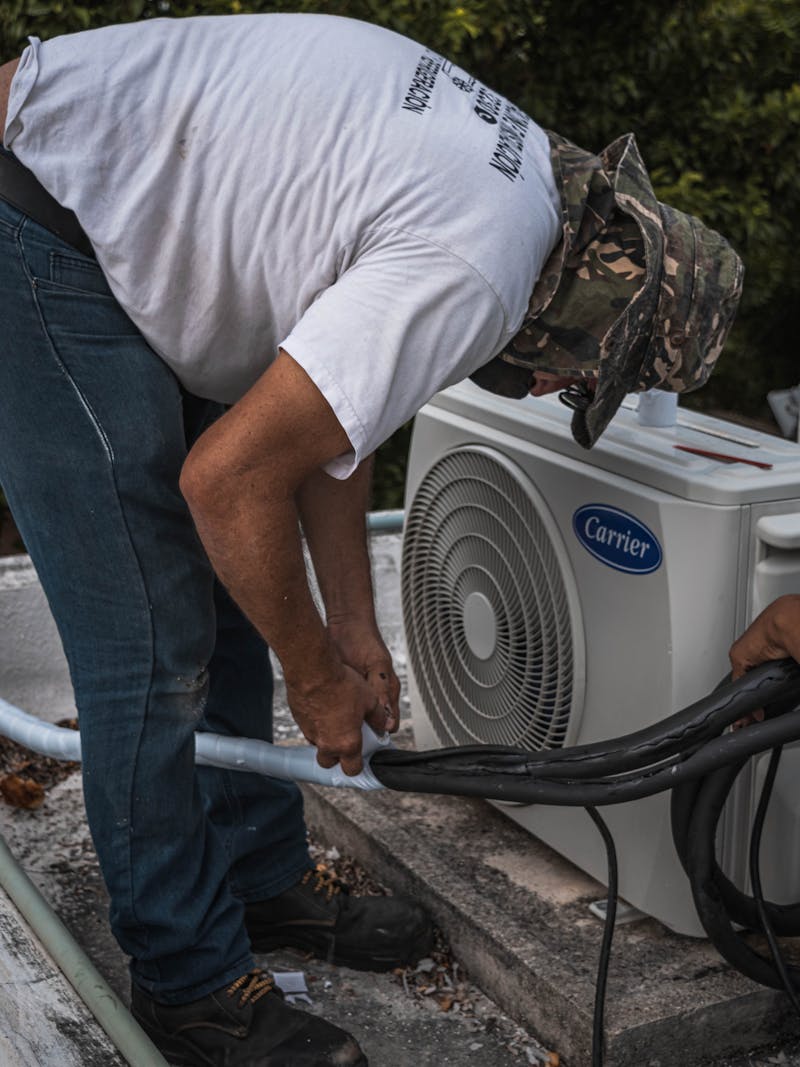
Before performing any type of maintenance, it is essential to understand how an HVAC system is built and how each part contributes to overall performance. Every component, from air filters to compressors, plays a specific role in heating, cooling, and air circulation. Knowing these parts allows you to identify potential issues early and maintain the system more effectively.
Main HVAC components include:
- Thermostat – Controls temperature settings and system operation
- Air filters – Trap dust, allergens, and airborne particles
- Evaporator coil – Absorbs heat from indoor air
- Condenser coil – Releases heat outside
- Compressor – Circulates refrigerant between coils
- Blower motor – Pushes conditioned air through ducts
- Ductwork – Distributes air throughout the building
- Refrigerant lines – Carry cooling substance between components
- Drain line – Removes condensation and moisture
- Electrical controls – Manage system operations and safety
Understanding these components makes it easier to identify where maintenance is needed.
How Often Should HVAC Components Be Maintained?
Timing plays a critical role in keeping HVAC systems efficient and reliable. Different components require different maintenance schedules depending on usage, environmental conditions, and system design. By following a consistent maintenance timeline, homeowners can avoid unnecessary wear and ensure that the system performs optimally throughout the year.
Maintenance frequency depends on usage, environment, and system type, but general guidelines include:
- Air filters: every 1–3 months
- Professional tune-up: twice a year (spring and fall)
- Duct inspection: every 2–3 years
- Coil cleaning: once a year or as needed
- Thermostat check: seasonally
Regular scheduling prevents small issues from escalating into major system failures.
Thermostat Care: Are You Using It Correctly?
The thermostat is often overlooked, yet it is one of the most influential parts of an HVAC system. It directly controls when the system turns on and off, which affects comfort, energy usage, and equipment strain.
The thermostat acts as the command center of your HVAC system. Even small inefficiencies in its operation can affect overall performance. Proper thermostat care ensures accurate temperature readings and prevents the system from working harder than necessary.
Maintenance tips for thermostats:
- Replace batteries regularly if applicable
- Keep it away from direct sunlight or heat sources
- Clean dust from internal sensors gently
- Ensure correct calibration for accurate readings
- Upgrade to a programmable or smart thermostat if possible
A malfunctioning thermostat can cause the system to run longer than necessary or shut off prematurely, leading to discomfort and wasted energy.
Air Filters and Airflow: Why Do They Matter So Much?
Air filters are essential for keeping indoor air clean and ensuring your HVAC system operates efficiently. When these filters become dirty or blocked, they limit proper airflow, forcing the system to use more energy to maintain circulation. Over time, this added strain can reduce efficiency and contribute to wear and tear on system components. Regularly maintaining or replacing filters helps support consistent performance and avoids unnecessary long-term problems.
Preventive maintenance steps:
- Replace filters every 30–90 days
- Use high-quality filters suitable for your system
- Check filters more frequently in dusty or high-traffic environments
- Avoid running the system without a filter installed
Signs of a dirty filter:
- Weak airflow from vents
- Increased dust around the home
- Higher energy bills
- Uneven temperature distribution
Clean filters ensure proper airflow and protect internal components from damage.
Cleaning Coils and Why It Affects Efficiency
Evaporator and condenser coils are essential for heat exchange, making them central to the cooling process. When these coils become dirty or blocked, the system loses efficiency and struggles to maintain proper temperature control. Regular cleaning ensures that heat transfer remains effective and energy use stays optimized.
Maintenance tips:
- Inspect coils at least once a year
- Remove dirt and debris carefully using appropriate cleaning solutions
- Ensure outdoor condenser units are free from leaves and obstructions
- Schedule professional cleaning for heavy buildup
Dirty coils reduce heat exchange efficiency, making your HVAC system work harder than necessary.
Ductwork Inspection: What Problems are Hiding in Your Ducts?
Ductwork is responsible for distributing conditioned air throughout your home, but it is often hidden and forgotten. Over time, ducts can develop leaks, collect dust, or even harbor moisture issues that affect air quality and system performance. Regular inspection helps ensure that air is delivered efficiently and safely to every room.
Common duct issues include:
- Air leaks that reduce efficiency
- Dust and debris buildup
- Mold or moisture accumulation
- Poor insulation
Preventive actions:
- Inspect ducts every few years
- Seal visible leaks with appropriate materials
- Clean ducts professionally when necessary
- Ensure proper insulation in unconditioned spaces
Leaky or dirty ducts can significantly reduce system performance and indoor air quality.
Fan and Blower Maintenance: What Keeps Air Moving Properly?
The fan and blower assembly is responsible for moving air through the HVAC system and into living spaces. If these components are not functioning properly, airflow becomes weak or uneven, reducing comfort and system efficiency. Proper maintenance ensures consistent air circulation and prevents unnecessary strain on the system.
Maintenance tips:
- Keep blower components clean and dust-free
- Lubricate moving parts if required
- Check fan belts for wear and tension
- Listen for unusual noises during operation
- Ensure balanced airflow from vents
A well-maintained blower ensures consistent comfort across all rooms.
Refrigerant Levels: What Happens When They Are Off?
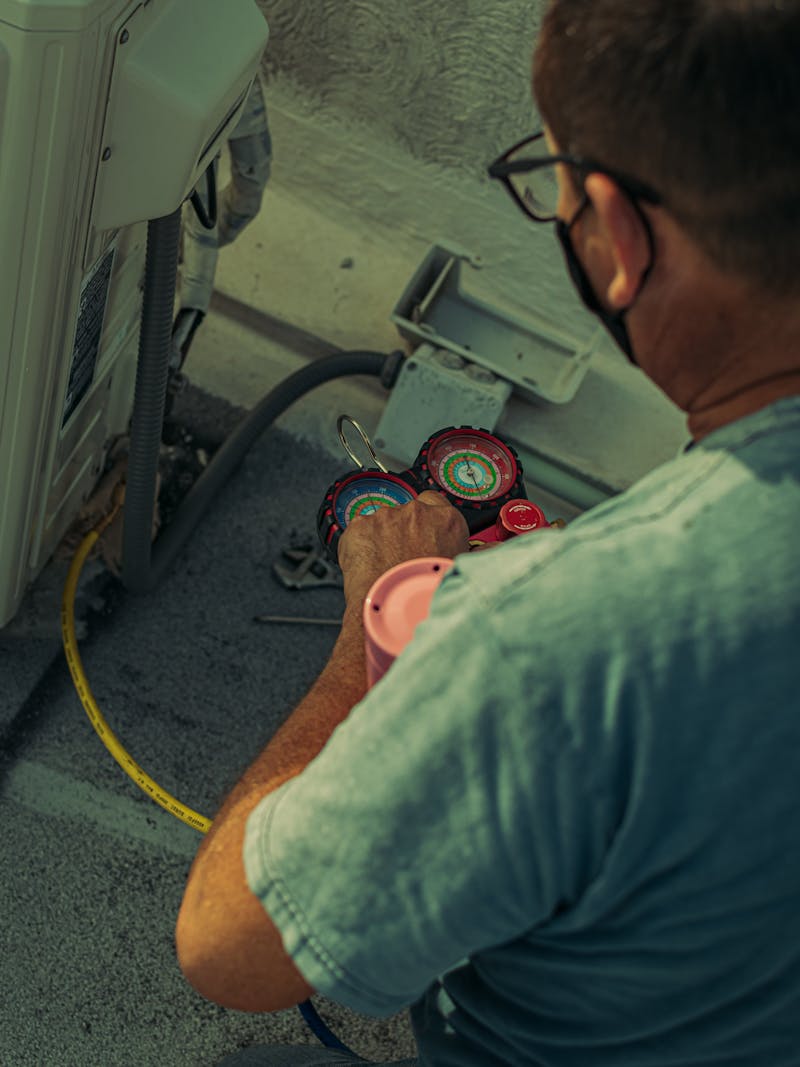
Refrigerant is the lifeblood of the cooling process, enabling heat transfer between indoor and outdoor units. When levels are too low or there is a leak, the system cannot cool effectively, leading to longer cycles and higher energy use. Monitoring refrigerant levels is essential for maintaining consistent cooling performance.
Warning signs of refrigerant issues:
- Warm air blowing from vents
- Ice forming on coils
- Hissing or bubbling sounds
- Longer cooling cycles
Maintenance approach:
- Have refrigerant levels checked during routine servicing
- Repair leaks immediately if detected
- Never attempt DIY refrigerant handling
Low refrigerant is often a symptom of a deeper issue, not something that should be ignored.
Electrical Components and Safety Checks
Electrical components serve as the control center of the HVAC system, powering motors, sensors, and communication between parts. Faulty wiring or failing electrical elements can lead to system malfunctions or safety hazards. Regular inspection helps ensure that all connections remain secure and the system operates safely.
What to inspect:
- Capacitors and relays
- Wiring connections
- Circuit breakers
- Control boards
Preventive tips:
- Turn off the power before inspection or maintenance
- Look for signs of corrosion or burning
- Ensure tight and secure electrical connections
- Schedule professional inspections annually
Electrical issues are best handled by trained technicians due to safety risks.
Drain Lines and Moisture Control
Moisture removal is a natural part of HVAC operation, and drain lines are responsible for carrying away condensation. When these lines become clogged, water can back up into the system, causing damage or mold growth. Proper maintenance ensures that moisture is efficiently removed and does not affect indoor environments.
Maintenance tips:
- Flush drain lines periodically
- Check for blockages or algae buildup
- Ensure proper drainage slope
- Use vinegar or approved cleaning solutions to prevent clogging
Moisture control is essential for both system performance and indoor air quality.
Seasonal Maintenance Checklist
Seasonal changes place different demands on HVAC systems, making it important to adjust maintenance routines throughout the year. Each season presents unique challenges, from heavy cooling loads in summer to heating demands in winter. A structured checklist helps ensure the system is always prepared for changing conditions.
Regular seasonal maintenance helps ensure your HVAC system performs optimally throughout the year.
Spring checklist:
- Clean or replace air filters
- Inspect the outdoor condenser unit
- Check refrigerant levels
- Test thermostat accuracy
Summer checklist:
- Ensure proper airflow through vents
- Monitor system workload during peak heat
- Check for unusual noises or vibrations
Fall checklist:
- Inspect heating components
- Clean blower assembly
- Seal duct leaks
- Test furnace ignition system
Winter checklist:
- Monitor heating efficiency
- Check for frozen pipes or components
- Ensure thermostat settings are correct
Cost Savings and Performance Benefits
Routine maintenance does more than just prevent breakdowns—it directly impacts energy efficiency and long-term costs. One of the major advantages of consistent HVAC care is that it improves system performance while reducing unnecessary strain on components.
When all parts are properly maintained, homeowners often notice smoother operation, fewer repair needs, and more stable indoor temperatures. These improvements contribute to lower utility costs and fewer emergency service calls. In many cases, the benefits of an HVAC tune-up become clear through reduced energy consumption and improved system responsiveness during peak weather conditions.
DIY vs. Professional Maintenance
While some HVAC maintenance tasks can be handled by homeowners, others require technical expertise and specialized tools. Understanding the difference between DIY-friendly tasks and professional servicing is important for safety and system longevity. Proper balance ensures the system receives complete and effective care.
DIY tasks include:
- Replacing air filters
- Cleaning vents and registers
- Checking thermostat settings
- Keeping outdoor units clear of debris
Professional tasks include:
- Refrigerant level checks
- Electrical system inspection
- Deep coil cleaning
- Ductwork sealing and repair
- Full system diagnostics
Attempting complex repairs without proper training can lead to damage or safety risks.
Common Mistakes Homeowners Make
Even with good intentions, many homeowners unknowingly reduce HVAC efficiency through simple mistakes. Many HVAC issues are caused not by system failure, but by simple maintenance mistakes or neglect. These include irregular filter changes, blocked airflow, or skipped inspections. Recognizing these common errors helps homeowners avoid unnecessary repairs and maintain better system performance over time.
Avoid these issues:
- Ignoring regular filter changes
- Blocking air vents with furniture
- Skipping seasonal maintenance
- Setting extreme thermostat temperatures
- Neglecting outdoor unit cleaning
Correcting these habits can significantly improve system performance and reduce long-term costs.
Conclusion
Preventive maintenance is the key to keeping HVAC systems efficient, reliable, and long-lasting. By understanding each component and applying consistent care, homeowners can avoid costly repairs and enjoy better indoor comfort year-round.
From thermostats and filters to coils, ducts, and electrical systems, every part plays a role in overall performance. A structured maintenance routine not only improves efficiency but also helps ensure your HVAC system is ready to handle seasonal demands without interruption.
Taking proactive steps today can save you from expensive problems tomorrow while keeping your indoor environment consistently comfortable and healthy.
