
Maintaining a stable and pleasant indoor environment throughout the year is one of the primary goals of homeownership. As seasonal shifts bring drastic changes in humidity, ambient temperatures, and air quality, a house must act as a dynamic barrier against the harsh elements outside. When a home is properly managed, it preserves thermal energy during freezing winters and reflects excessive ambient heat throughout scorching summers. Achieving this ideal equilibrium requires a comprehensive strategy that blends preventive maintenance, modern equipment upgrades, and smart household habits.
Managing thermal control is not merely about adjusting the thermostat when the weather shifts. It involves understanding how various structural systems interact to preserve treated air, manage moisture, and optimize indoor air distribution. From the efficiency of your heating and cooling equipment to the integrity of your thermal envelope, every component plays a specific role in keeping your interior space cozy. By focusing on essential household systems, home owners can create an eco-friendly living space that remains uniformly pleasant regardless of the temperature outside.
Managing Your Home Thermal Barrier
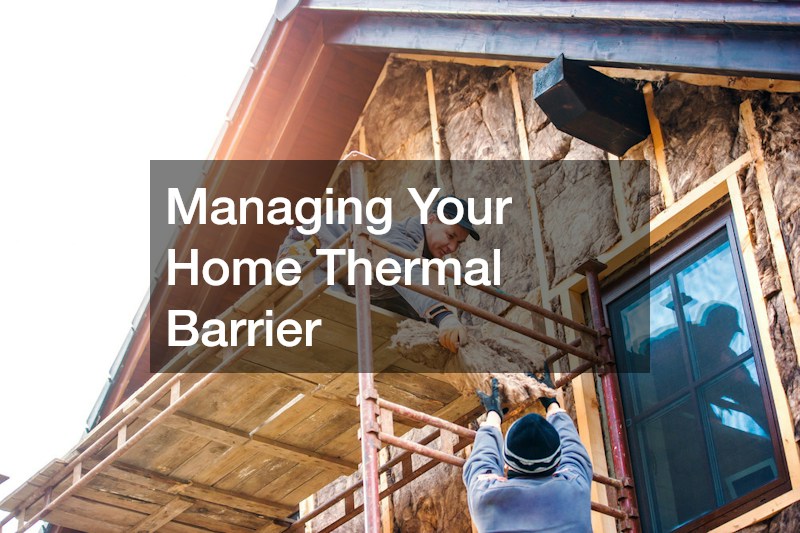
Upgrading Thermal Resistance Across Attic Spaces and Exterior Walls
The thermal envelope of a residence is its first defense against exterior temperature extremes. Heat naturally moves toward colder areas, meaning warm air escapes outdoors during winter and unwanted heat invades air-conditioned spaces during summer. Upgrading thermal resistance in areas like the attic, basement, and exterior framing slows this natural heat transfer significantly. Homeowners looking to boost performance should explore diverse insulation materials including fiberglass batts, blown-in cellulose, and rigid foam boards to determine what best suits their home framework.
Proper installation is just as critical as choosing the right products. Gaps, compression, or unsealed void spaces within structural cavities can drastically reduce overall thermal effectiveness. Enlisting qualified insulation experts guarantees that every nook and cranny is appropriately filled and that moisture barriers are installed correctly. Proper thermal defense keeps interior surfaces at stable temperatures, preventing drafty rooms, reducing strain on mechanical equipment, and keeping monthly utility costs consistently low across every calendar month.
Sealing Structural Cavities with Advanced Expanding Barriers
Traditional materials work well in standardized stud bays, but irregularly shaped spaces, rim joists, and structural joints often leak significant amounts of conditioned air. Expanding polyurethane products provide a robust dual solution by insulating and air-sealing simultaneously. Because application requires precise safety gear and specialized mixing equipment, hiring trained spray foam insulation contractors is the safest and most effective way to address complex architectural areas.
When applied correctly, expanding barriers create a seamless air barrier that prevents draft movement and stops ambient outdoor moisture from seeping into wall cavities. Eliminating air leakage protects structural wood components from moisture damage, mold growth, and premature decay. By securing these hard-to-reach structural voids, you significantly boost your home energy performance and create a much more stable interior climate regardless of wind or storm activity outside.
Maintaining Temperature Control Equipment
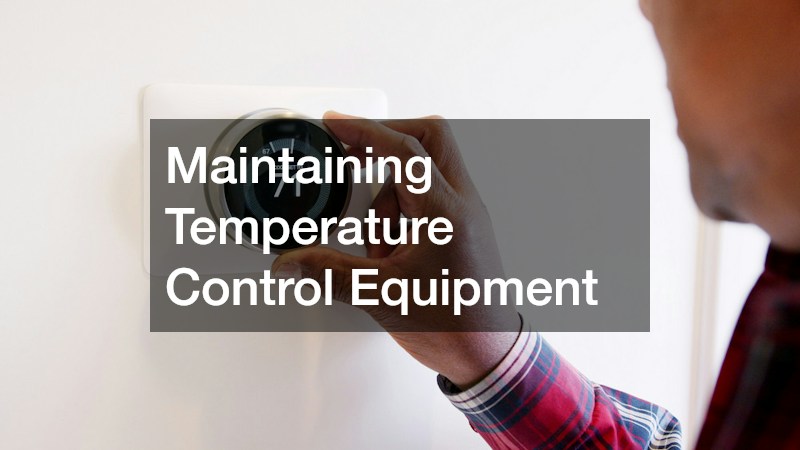
Performing Routine Inspections for Cooling Systems
Air conditioning units are under immense pressure during peak summer months, often running continuously to combat severe outdoor heat waves. To prevent sudden breakdowns during hot spells, homeowners must prioritize seasonal inspection and proactive service routines. Scheduling timely air conditioning repair before minor issues turn into mechanical failures ensures system components like compressors, evaporator coils, and fan motors remain operational when needed most.
Regular maintenance extends beyond emergency repairs. Changing air filters every one to three months keeps air flowing smoothly across coils, which stops systems from freezing over or overheating. Cleaning outdoor condenser units to clear leaves, dirt, and lawn debris allows heat to dissipate efficiently. Addressing minor electrical issues, refrigerant leaks, or worn belts early keeps cooling equipment operating efficiently and keeps indoor humidity levels under control.
Preparing Heating Units for Freezing Weather
When winter approaches, home heating infrastructure takes center stage to keep living spaces warm and safe. Heating systems that sit idle throughout spring and summer often accumulate dust, debris, and mechanical wear that require attention before cold weather sets in. Arranging professional furnace repair prior to the first major freeze ensures that burners, ignition systems, and heat exchangers are clean and functioning safely.
A thorough autumn checkup helps identify hidden safety risks such as cracked heat exchangers, which can release dangerous gases into living areas. Technicians can also evaluate blower motor health, test safety switches, and verify thermostat calibration. Taking care of these checks before temperatures drop guarantees your heating system operates smoothly, quietly, and dependably through the coldest months of the year.
Troubleshooting Worn Components and Burner Assemblies
Boilers, heat pumps, and localized heating equipment all require periodic component evaluations to maintain consistent thermal output. Over time, electrical contacts corrode, igniters wear out, and mechanical valves can stick, leading to uneven room temperatures or total system failure. Addressing minor heating repairs promptly stops minor mechanical defects from causing widespread damage to heating infrastructure.
Homeowners should monitor their systems for warning signs like unusual clunking noises, erratic cycling, or unexpected spikes in monthly utility bills. Keeping surrounding areas clear of dust, boxes, and combustible materials allows heating equipment to draw adequate air for combustion and circulation. Promptly replacing worn igniters, sensors, and belts helps maintain consistent temperatures while reducing long-term operating costs.
Partnering with Qualified Technical Professionals
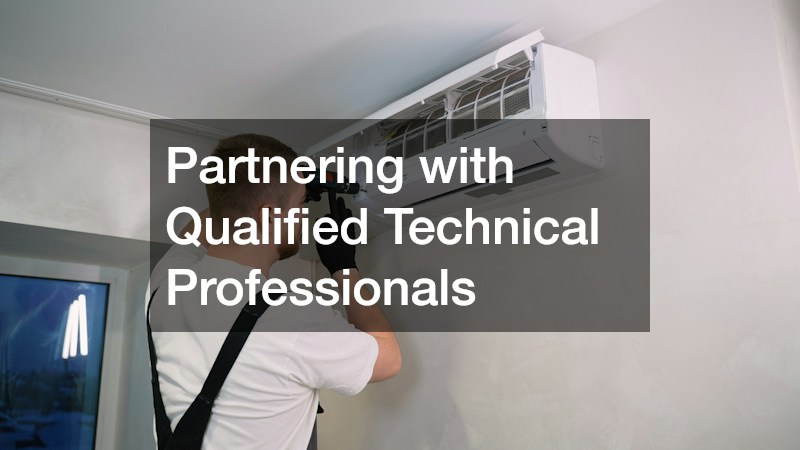
Selecting Certified Mechanical Specialists for Installations
While basic home care tasks can be handled by diligent homeowners, major equipment overhauls, sizing calculations, and complex retrofits require professional technical knowledge. Partnering with reputable HVAC companies ensures that replacement systems are correctly sized using precise heat-load calculations rather than rough estimates. Incorrectly sized equipment can cause short-cycling, poor humidity control, and accelerated mechanical failure.
Licensed professionals bring diagnostic tools and industry training that ensure installation adheres to local building codes and manufacturer specifications. They can assess existing ductwork configurations, verify static pressure balance, and recommend balanced equipment combinations. Establishing an ongoing relationship with a trusted team guarantees reliable emergency service and peace of mind when mechanical issues arise.
Scheduling Ongoing Preventive Maintenance Contracts
Preventive service plans offer a structured way to maintain interior comfort without having to track seasonal service deadlines manually. Comprehensive service agreements from experienced HVAC contractors typically include bi-annual tune-ups, priority service calls, and discounts on replacement components. These routine checkups catch minor mechanical wear before it leads to system failures during extreme weather events.
During scheduled visits, technicians perform deep system cleanings, test electrical draw, inspect refrigerant levels, and recalibrate system controls. They can also provide customized advice on system operation, filter upgrades, and energy-saving strategies tailored to your specific home layout. Regular professional care extends equipment lifespan and keeps performance levels high year after year.
Accessing Emergency Mechanical Assistance During Extremes
Extreme weather events like heatwaves or severe winter storms place maximum stress on climate control equipment, raising the risk of unexpected failures. Having access to reliable hvac support gives homeowners quick access to emergency assistance when systems break down at inconvenient times. Rapid response times prevent home pipe freezes during winter outages and protect vulnerable household members from extreme summer heat.
Many service providers offer round-the-clock emergency assistance, keeping essential parts stocked locally to resolve issues quickly. Beyond emergency repairs, support teams can guide homeowners through temporary troubleshooting steps, such as checking circuit breakers or resetting digital thermostats over the phone. Knowing who to call during a climate emergency keeps your household safe and comfortable when unexpected failures occur.
Managing Domestic Hot Water Systems

Flushing Sediment to Extend Storage Tank Lifespan
Domestic hot water is essential for daily comfort, supporting everything from warm morning showers to effective dishwashing and laundry routines. Over time, naturally occurring minerals in municipal or well water settle at the bottom of traditional tank systems, forming a dense layer of sediment. This mineral buildup insulates the water from the heating element, forcing the water heater to work harder, run longer, and consume excess energy.
Flushing the storage tank annually clears accumulated sediment, restores heating efficiency, and prevents premature corrosion of the tank lining. Homeowners can perform this simple task by connecting a garden hose to the drain valve and flushing the water until it runs clear. Taking time for this basic maintenance prevents unexpected leaks, reduces energy consumption, and extends the lifespan of your hot water infrastructure.
Inspecting Anode Rods and Pressure Relief Valves
Beyond flushing sediment, hot water storage systems rely on specific protective devices to operate safely and reliably. The sacrificial anode rod attracts corrosive elements present in water, sacrificing itself to protect the internal steel tank from rusting through. Inspecting the anode rod every two to three years and replacing it when heavily corroded adds years to the system’s operational lifespan.
Testing the temperature and pressure relief valve is another critical safety task. This safety component automatically releases excess pressure if internal tank temperatures or pressures reach dangerous levels. Lifting the test lever briefly ensures the valve opens smoothly and discharges water properly. Routine inspection of these protective components prevents catastrophic tank failures and maintains reliable hot water delivery for household tasks.
Optimizing Air Circulation and Venting
Balancing Supply and Return Register Airflow
Even high-efficiency mechanical systems struggle to maintain comfort if air cannot circulate freely through living spaces. Balancing supply and return registers ensures conditioned air reaches every room while returning stale air back to central units for reconditioning. Closing off too many room registers disrupts system pressure balances, causing drafty conditions, noisy ductwork, and added strain on blower motors.
To maximize circulation, keep all internal supply vents open and clear of furniture, rugs, or drapes. Inspecting registers periodically to remove dust accumulation keeps airflow paths unobstructed. Balancing airflow between different levels of a home using duct dampers can also address natural temperature variations, keeping upper floors cool in summer and lower levels warm in winter.
Inspecting and Sealing Sheet Metal Duct Systems
Ductwork acts as the circulatory network for home climate systems, delivering conditioned air to every room. However, unsealed sheet metal joints, flexible duct tears, and disconnected fittings can leak up to thirty percent of conditioned air into unconditioned spaces like attics or crawlspaces. Sealing these leaks with mastic sealant or foil-backed tape ensures conditioned air reaches living areas intact.
Insulating ductwork that runs through unconditioned zones is equally important. Uninsulated ducts lose significant thermal energy to cold attics in winter or hot crawlspaces in summer before the air ever reaches room registers. Sealing and insulating duct networks optimizes system performance, balances room temperatures, and prevents ambient dust and allergens from entering the home air stream.
Enhancing Thermal Control through Window and Door Care
Applying Weatherstripping and High-Performance Caulking
Windows and exterior entry doors are common culprits for air leakage, accounting for drafty rooms and uneven indoor temperatures. Over time, rubber weatherstripping flattens, cracking or peeling away from frames, while exterior caulking degrades under solar exposure. Replacing worn perimeter weatherstripping restores tight seals, preventing drafts and outdoor humidity from leaking inside.
Applying high-quality silicone or acrylic latex caulk along exterior window trim and door frames blocks air infiltration pathways around frame perimeters. Indoors, draft stoppers or door snakes provide an extra layer of protection along bottom thresholds during severe cold snaps. Taking time to seal window and door margins eliminates cold drafts and improves overall thermal stability.
Utilizing Solar Shading Strategies for Window Assemblies
Solar heat gain through window glass can significantly increase indoor temperatures during warm months, forcing cooling systems to work extra hard. Implementing smart solar shading strategies reduces radiant heat transfer while maintaining pleasant interior light levels. Exterior awnings, shade trees, and solar window films block solar radiation before it hits window glass, significantly lowering summer heat gain.
Indoors, thermal drapes, cellular shades, and reflective blinds offer flexible control over heat transfer across all seasons. Closing window coverings on sunny summer afternoons blocks unwanted solar heat, while opening them on clear winter days allows natural solar energy to warm interior spaces. Leveraging window coverings wisely reduces mechanical heating and cooling demands throughout the year.
Managing Indoor Humidity and Environmental Factors
Regulating Moisture Levels During Humid Months
Relative humidity plays a huge role in how comfortable indoor air feels to human skin. High summer humidity makes living spaces feel sticky and warmer than the actual thermostat reading, while encouraging mold growth and dust mite activity. Integrated dehumidification systems or portable dehumidifiers extract excess moisture, making indoor air feel crisp and comfortable without over-cooling rooms.
Using exhaust fans in bathrooms, kitchens, and laundry rooms vents high moisture levels directly outdoors before it spreads through the house. Checking that clothes dryer vents exhaust completely outside without leaks prevents hot, humid air from recirculating indoors. Maintaining indoor relative humidity between thirty and fifty percent supports healthy air quality and enhances comfort during humid weather.
Adding Moisture Balance During Cold Weather Cycles
Conversely, winter heating cycles often drop indoor humidity levels down to uncomfortable lows. Dry indoor air causes static electricity, dry skin, respiratory irritation, and structural wood shrinkage, which can open up gaps in hardwood floors and trim work. Installing a whole-home humidifier within central duct networks restores moisture balance, making cooler air feel warm and comfortable.
Whole-home humidifiers automatically adjust moisture output based on outdoor temperatures, preventing condensation from forming on window glass. Portable evaporative humidifiers can also provide targeted moisture relief in bedrooms or primary living areas. Keeping winter relative humidity within an optimal range protects home finishes, improves air quality, and creates a cozy indoor environment during dry winter months.
Adopting Whole-Home Energy Management Practices
Harnessing Programmable and Smart Thermostats
Modern programmable and smart thermostats give homeowners precise control over thermal settings, matching temperature adjustments to daily household schedules. Lowering heating settings slightly when occupants are sleeping or away at work reduces energy use without compromising daily comfort. Smart units learn household routines over time, automatically optimizing temperature shifts for maximum comfort and energy savings.
Remote accessibility through mobile applications allows homeowners to adjust thermostat settings from anywhere, ensuring spaces are warm or cool before arriving home. Many modern controllers also provide maintenance alerts, tracking filter usage hours and system performance trends. Leveraging modern thermostat technologies keeps energy consumption low while maintaining comfortable temperatures around the clock.
Maximizing Natural Ventilation During Moderate Seasons
During mild spring and autumn months, relying entirely on mechanical heating and cooling systems is often unnecessary. Taking advantage of natural ventilation cools home interiors naturally while refreshing indoor air quality. Opening windows on opposite sides of a house creates cross-ventilation, pulling cool outdoor breezes through living areas and pushing warm indoor air out.
Ceiling fans can also support natural ventilation by creating a gentle wind-chill effect on human skin, making rooms feel several degrees cooler without lowering thermostat settings. In summer, ceiling fan blades should rotate counterclockwise at higher speeds to push air down; in winter, running blades clockwise at low speeds draws cool air up and forces trapped warm air down off ceilings. Simple ventilation adjustments optimize comfort during transitional weather.
Long-Term Planning for Home Climate Stability
Maintaining a comfortable indoor climate across every season requires a balanced approach that combines regular maintenance, smart energy management, and occasional mechanical upgrades. Every home component, from structural insulation to air distribution networks, works together to regulate indoor thermal conditions and manage air quality. Staying proactive with routine system checks prevents unexpected equipment failures during severe weather extremes.
By prioritizing preventive care, addressing draft sources, and partnering with qualified service technicians when needed, homeowners can enjoy consistent interior comfort year-round. Investing in thermal performance and regular mechanical care lowers energy consumption, protects structural building materials, and provides a cozy, healthy environment for everyone in the household. Plan ahead, monitor system performance regularly, and enjoy the peace of mind that comes with a well-managed home climate.
