Air conditioning is more than a convenience—it’s an essential component of modern home comfort. Proper understanding of your air conditioning system ensures that it operates efficiently, lasts longer, and provides consistent comfort throughout the year. However, many homeowners have questions about selecting, maintaining, and optimizing their units.
This article addresses some of the most common air conditioning questions every homeowner should know, helping you make informed decisions for your home.
What Size Air Conditioner Do I Need?
One of the first questions homeowners often ask is about the right size air conditioner for their space. The cooling capacity of an air conditioner is measured in British Thermal Units (BTU). BTU indicates how much heat the unit can remove from a room per hour. Choosing a unit with the correct BTU ensures optimal cooling without wasting energy or overworking the system. A unit that is too small will struggle to cool your space, leading to higher energy bills and premature wear. Conversely, a unit that is too large may cool the room quickly but fail to dehumidify properly, leaving the space feeling damp and uncomfortable. Understanding BTU requirements is the first step toward efficient and effective cooling.
Several factors influence the BTU requirement for a given space. Room size is the most obvious consideration, but insulation quality, window placement, ceiling height, and local climate all play a role. Rooms with poor insulation, large sun-exposed windows, or high ceilings typically require more cooling capacity. Additionally, the number of occupants and heat-generating appliances in the room affects the size needed. An accurate assessment of these factors ensures that your air conditioner performs efficiently and maintains comfort without unnecessary energy consumption.
While online BTU calculators provide rough estimates, a professional assessment is the most reliable method. HVAC technicians can evaluate your home, consider structural and environmental factors, and recommend an air conditioner that meets both cooling needs and energy efficiency goals. Professional guidance helps avoid costly mistakes and ensures your system operates at peak performance.
How Often Should I Service My Air Conditioner?
Regular servicing is essential to keep an air conditioning unit running efficiently. Experts typically recommend servicing your system at least once a year, ideally before the start of the cooling season. Annual maintenance allows technicians to identify minor issues before they escalate into major problems.
Homeowners should also be alert to warning signs indicating that service is needed. Common indicators include unusual noises, weak airflow, uneven cooling, or higher energy bills. If your unit is not cooling as effectively as it used to, or if it cycles on and off excessively, it’s a good idea to schedule maintenance.
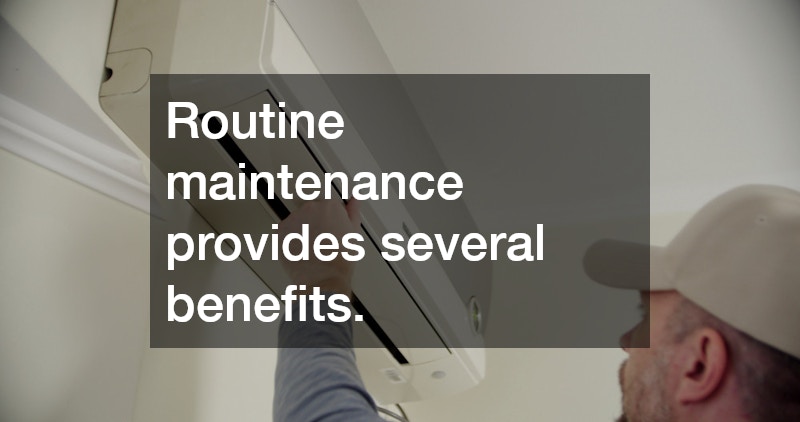
Routine maintenance provides several benefits. Cleaning coils, changing filters, checking refrigerant levels, and inspecting electrical components can improve efficiency and extend the lifespan of your unit. Regular servicing also reduces the likelihood of unexpected breakdowns and costly repairs, ensuring consistent comfort during hot months.
What Are The Energy Efficiency Ratings?
Energy efficiency is a key consideration when choosing or upgrading an air conditioning unit. The Seasonal Energy Efficiency Ratio (SEER) rating measures the efficiency of cooling performance over a typical cooling season. Higher SEER ratings indicate greater efficiency, which translates into lower energy consumption and reduced utility bills.
Energy Star-rated air conditioners meet strict energy efficiency standards set by the U.S. Environmental Protection Agency. Units with this certification not only consume less electricity but also reduce environmental impact. Choosing an Energy Star-certified system provides homeowners with confidence that their unit is both cost-effective and environmentally responsible.
When selecting a high-efficiency air conditioner, consider the SEER rating, Energy Star certification, and features such as variable-speed compressors and programmable thermostats. While high-efficiency units may have a higher upfront cost, the energy savings over time can offset the initial investment, making them a smart long-term choice.
Understanding the fundamentals of air conditioning allows homeowners to make informed choices about purchase, maintenance, and energy use. Knowing how to determine the right size unit, scheduling regular service, and considering energy efficiency ratings are essential steps to ensure comfort, performance, and cost savings. By addressing common air conditioning questions, homeowners can maximize system efficiency, prolong the life of their equipment, and enjoy reliable cooling throughout the year. Staying informed empowers homeowners to select, maintain, and operate air conditioning systems effectively, creating a comfortable and energy-conscious living environment.